

Explore Programs
Where Purpose Meets Progress
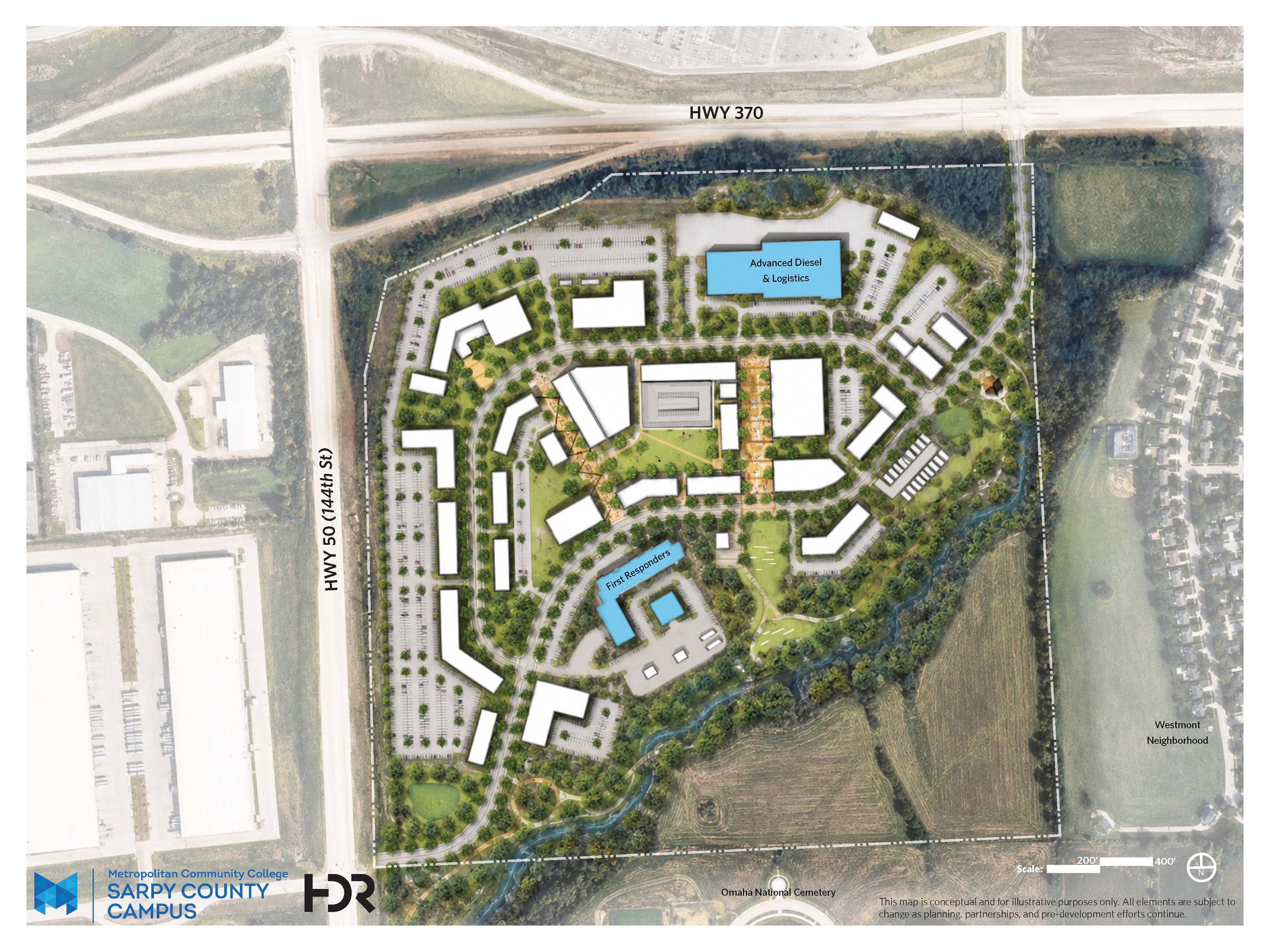
Metropolitan Community College is building its fourth full-service campus—and its first new campus in more than 40 years—on 144 acres at Highway 370 and Highway 50 in Papillion.
Located in one of Nebraska's fastest-growing areas, the Sarpy County Campus represents a bold investment in education, workforce development and the future of our region.
More than a collection of classrooms and training facilities, MCC envisions a connected, welcoming destination where students, employers and the broader community come together to learn, collaborate and create new opportunities.
Developed through thoughtful planning and public and private partnerships, the campus will grow and evolve alongside the communities it serves.
Help Shape the Future of the Sarpy County Campus
We’re creating this campus to be a destination for learning, connection and opportunity—and your ideas can help shape what comes next.
What would make the Sarpy County Campus a place where you would want to learn, work, gather and spend time? From outdoor spaces and recreation to community amenities and shared experiences, your perspective can help inform a campus designed for generations to come.
A Vision for the Campus
The Sarpy County Campus is an opportunity to reimagine what a community college can be—a place where education, industry, community and everyday life intersect.
Academic and workforce training facilities will anchor a larger campus environment shaped by natural landscapes, welcoming public spaces, innovative infrastructure and meaningful partnerships.
As the campus grows over time, MCC will focus on several ideas that help define the kind of place we want to create:
Five guiding ideas will help shape its future:
Learning & Opportunity
Education and workforce development will remain at the heart of the campus, connecting students with careers, employers, emerging technologies and hands-on experiences.
Community & Connection
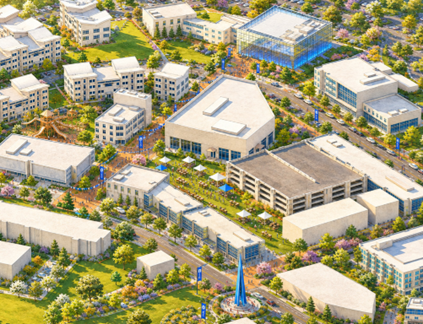
Gathering spaces, trails, green spaces and future amenities will create opportunities for people to connect, participate and enjoy the campus beyond the classroom.
Landscape & Sustainability
Inspired by Nebraska's prairie landscape, the campus will integrate native plantings, pollinator habitats, outdoor learning and sustainable design to create a distinctive sense of place.
Partnership & Innovation
Public, private and community partnerships will bring new expertise, investment and opportunities to campus, expanding its impact for students and the region.
A Campus That Evolves
Designed to adapt over time, the campus will embrace new technologies, changing workforce needs and emerging opportunities. Its infrastructure, landscape and shared spaces can also become living laboratories for learning and innovation.
A Place That Learns and Evolves
The campus itself can become a learning environment. Infrastructure, technology, landscape and sustainability practices can provide opportunities for demonstration, applied learning and innovation as the campus grows.
The MCC Campus Placemaking Guide will help bring these ideas together, establishing a shared vision for the spaces between buildings and ensuring that future development contributes to one connected, welcoming and distinctly MCC campus.
First Responder Education & Training Center
Training together to respond together.
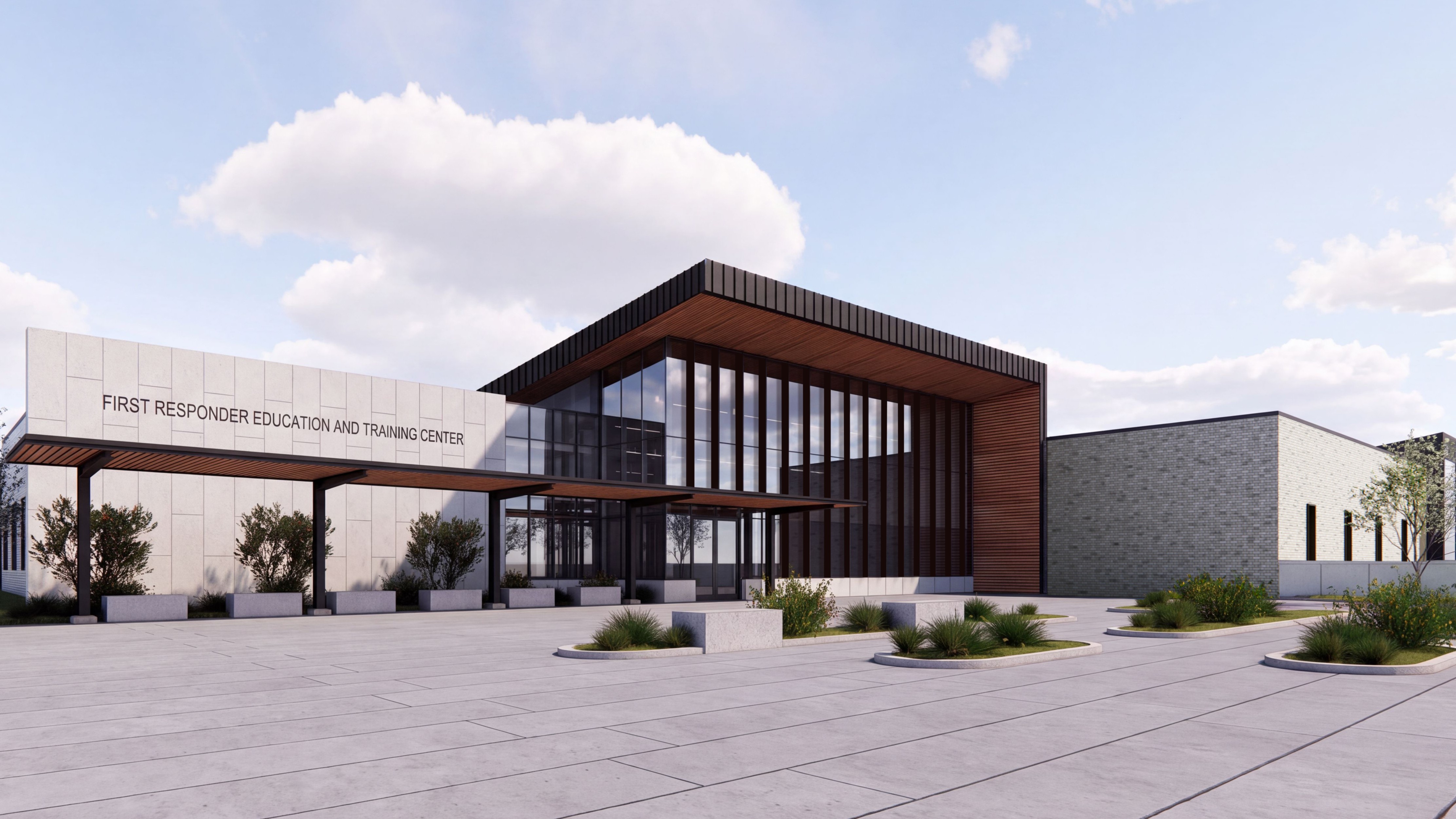
The First Responder Education & Training Center will bring MCC's Fire Science, Emergency Medical Services and Criminal Justice programs together in one purpose-built learning environment at the Sarpy County Campus.
Designed with input from first responder agencies across the region, the Center will prepare students for careers in public service while providing current professionals with opportunities to strengthen their skills throughout their careers.
Strengthening Community Preparedness
Every day, communities depend on well-prepared professionals to respond to medical emergencies, fires, accidents, natural disasters and other complex situations. The new Center will expand MCC's capacity to provide the education and hands-on experiences these careers require.
Because major emergencies often require multiple agencies and professions to work together, shared learning environments will emphasize communication, sound decision-making, coordination and safe, effective response.
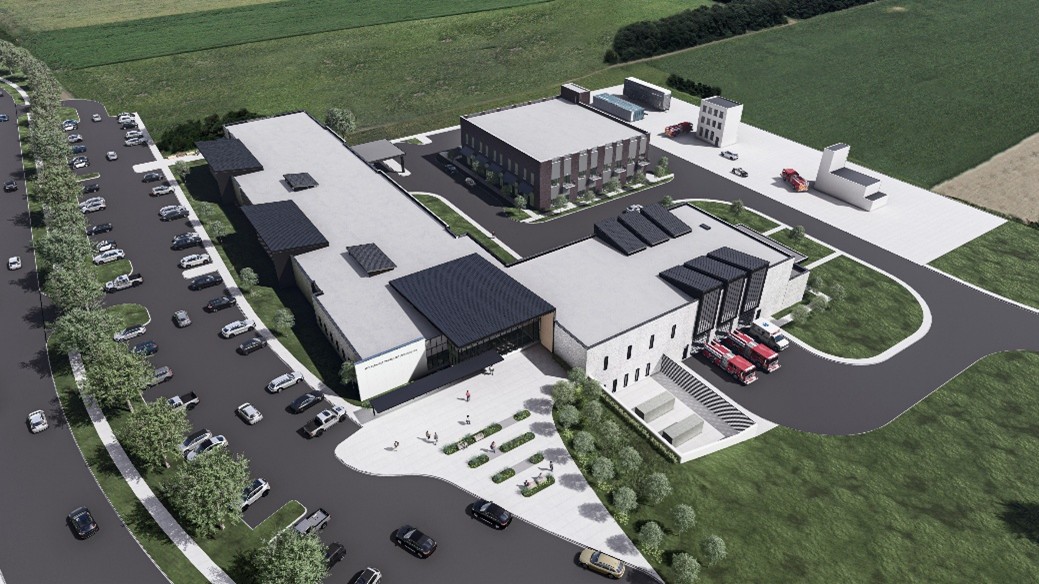
Planned features include:
- Specialized Fire Science, EMS and Criminal Justice learning spaces
- High-fidelity simulation and scenario-based learning
- Indoor and outdoor training environments
- Emergency vehicle and apparatus training
- A realistic training village for coordinated emergency scenarios
- Flexible spaces for continuing education and regional partners
A Resource for the Region The Center will serve students, current first responders and public safety agencies across the region, creating opportunities for continued learning, collaboration and shared preparedness. Planning and fundraising are underway, with the Center among the first major educational facilities planned for the Sarpy County Campus.
The project is being delivered in partnership with Nebraska Philanthropic Trust, and is expected to break ground in Fall 2026.
Watch this video for more about the First Responder Education & Training Center
Advanced Diesel & Logistics Training Center
Preparing the workforce that keeps our region moving.
The Advanced Diesel & Logistics Training Center will expand MCC's capacity to prepare students for careers in diesel technology, transportation, logistics and related industries that are essential to Nebraska's economy.
Designed with input from industry partners, the Center will provide modern, hands-on learning environments that reflect the technology, equipment and practices students will encounter in today's workplace.
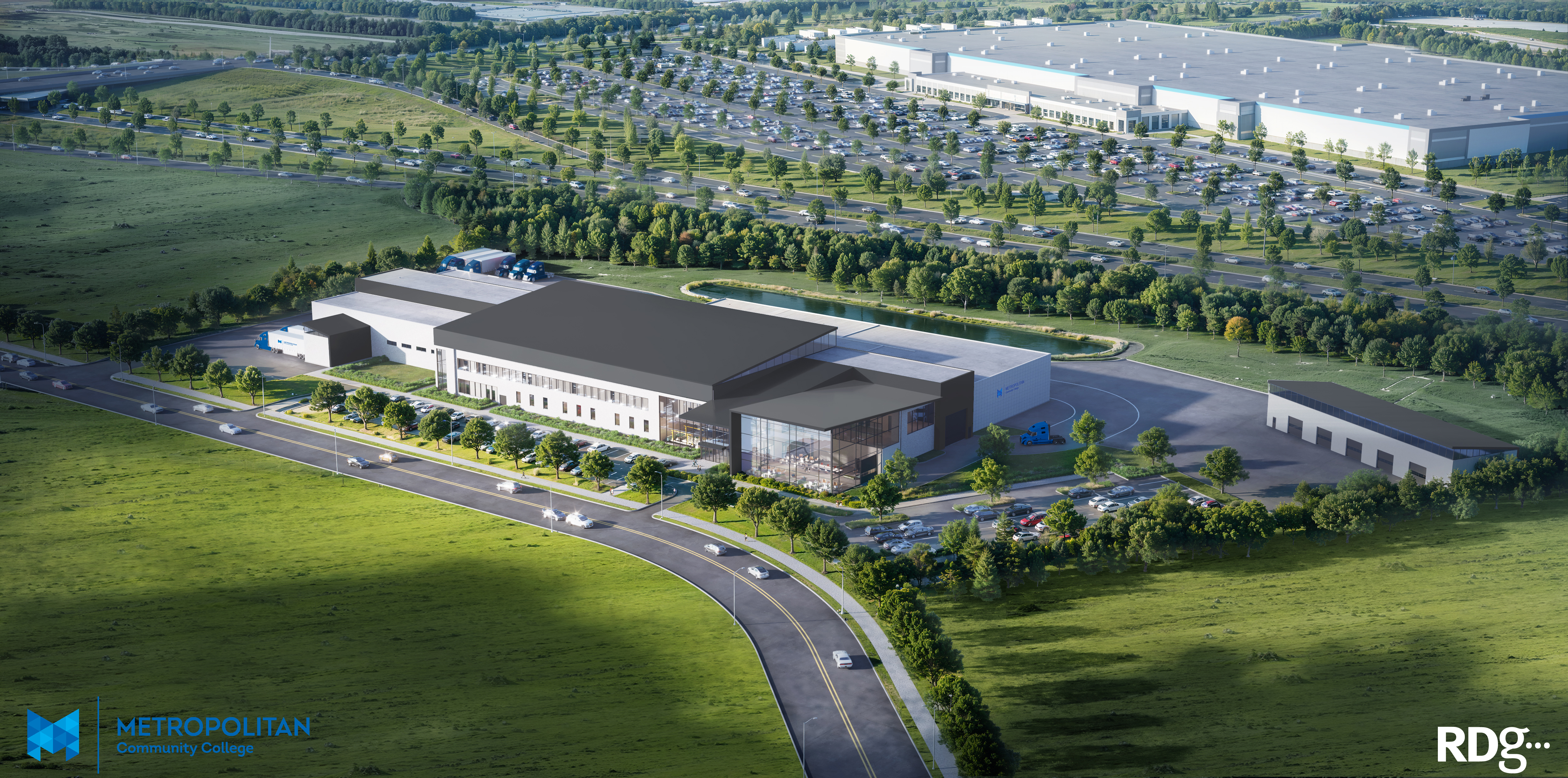
Meeting a Growing Workforce Need
Transportation and logistics connect nearly every part of our economy—from agriculture and construction to manufacturing, retail and the movement of goods across the country. Employers throughout the region continue to need skilled workers to maintain increasingly sophisticated equipment and manage complex transportation and supply-chain systems.
The Center will allow MCC to expand existing programs while creating opportunities for new training in areas such as advanced diagnostics, fleet operations, logistics and supply chain, alternative-fuel technologies and emerging transportation systems.
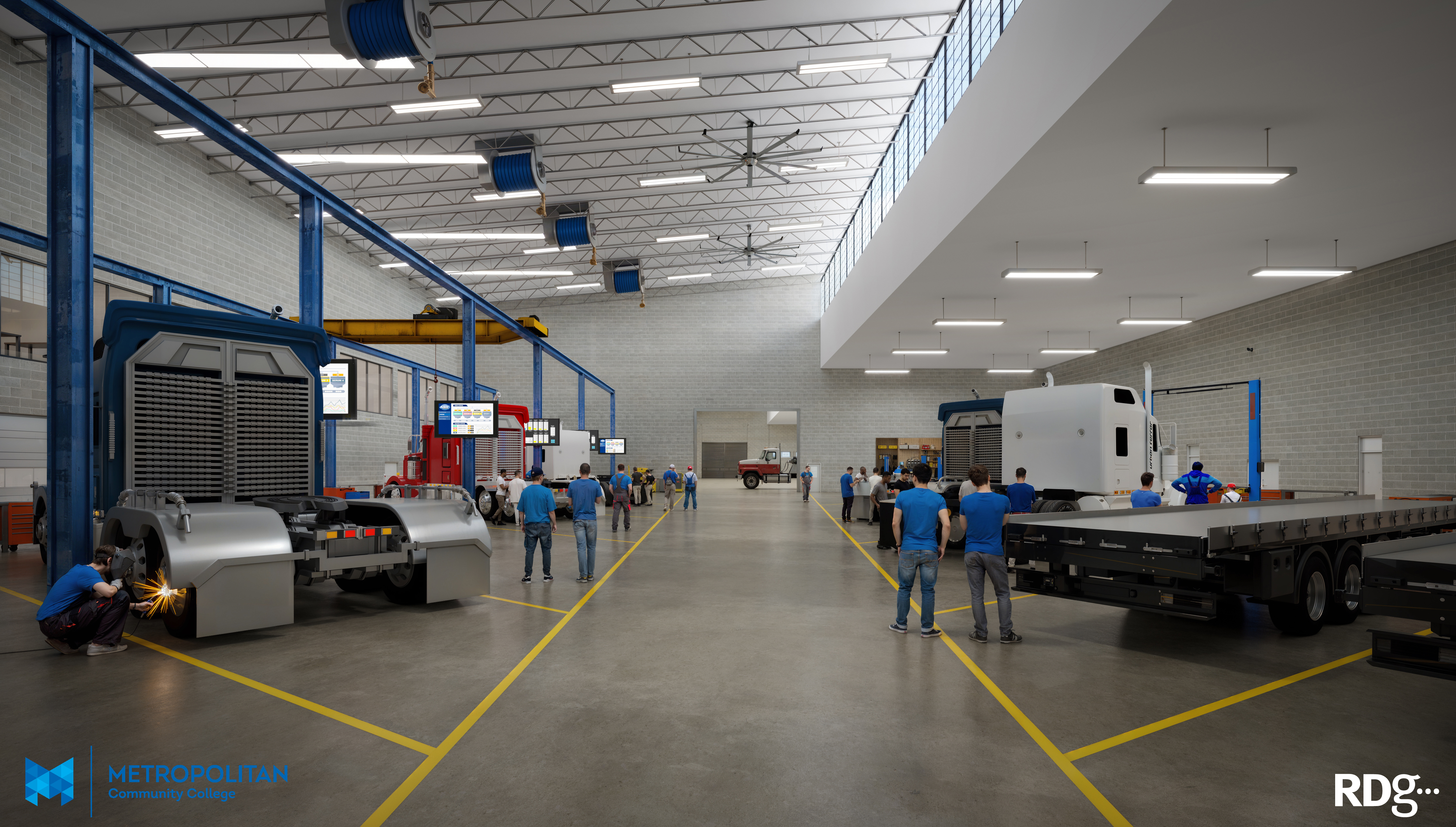
Planned features include:
- Large, modern diesel training bays
- Advanced diagnostics and electrical systems
- Engine, transmission and hydraulics training
- Simulation and emerging technology
- Logistics, dispatch and routing learning environments
- Outdoor space for heavy equipment training
- Flexible classroom and industry collaboration spaces
Planning and fundraising are already underway, with the Advanced Diesel & Logistics Training Center among the first major educational facilities planned for the Sarpy County Campus.
Watch this video to learn more about the Advanced Diesel & Logistics Training Center
Campus Development & What's Next
The Sarpy County Campus will take shape over many years, with development occurring in phases as projects, partnerships and funding come together.
Where We Are Today
MCC has begun developing the infrastructure needed to support the future campus, including roads, utilities and other site improvements. At the same time, planning and fundraising are advancing for the First Responder Education & Training Center and Advanced Diesel & Logistics Training Center.
MCC is also working with employees, students, community members and partners to establish a long-term vision for the campus experience—helping ensure that future projects contribute to a connected and welcoming place.

How Will the Campus Be Funded?
The campus is expected to be built through a combination of MCC investment, public funding, philanthropy and partnerships. Different projects may use different funding approaches as the campus develops.
MCC is also exploring opportunities for public, private and community partners to become part of the campus, bringing additional investment, services, expertise and experiences that benefit students and the broader community.
What Else Could Be Part of the Campus?
Only a portion of the 144-acre site is expected to be dedicated to MCC academic and training facilities. The long-term vision creates room for complementary uses and partnerships that could contribute to a vibrant campus environment. Specific projects will be evaluated and announced as plans are developed and approved.
Stay Connected
The Sarpy County Campus will continue to evolve, and MCC will share new projects, partnerships, milestones and opportunities for community input as they develop.